
mayo 26, 2026
Agency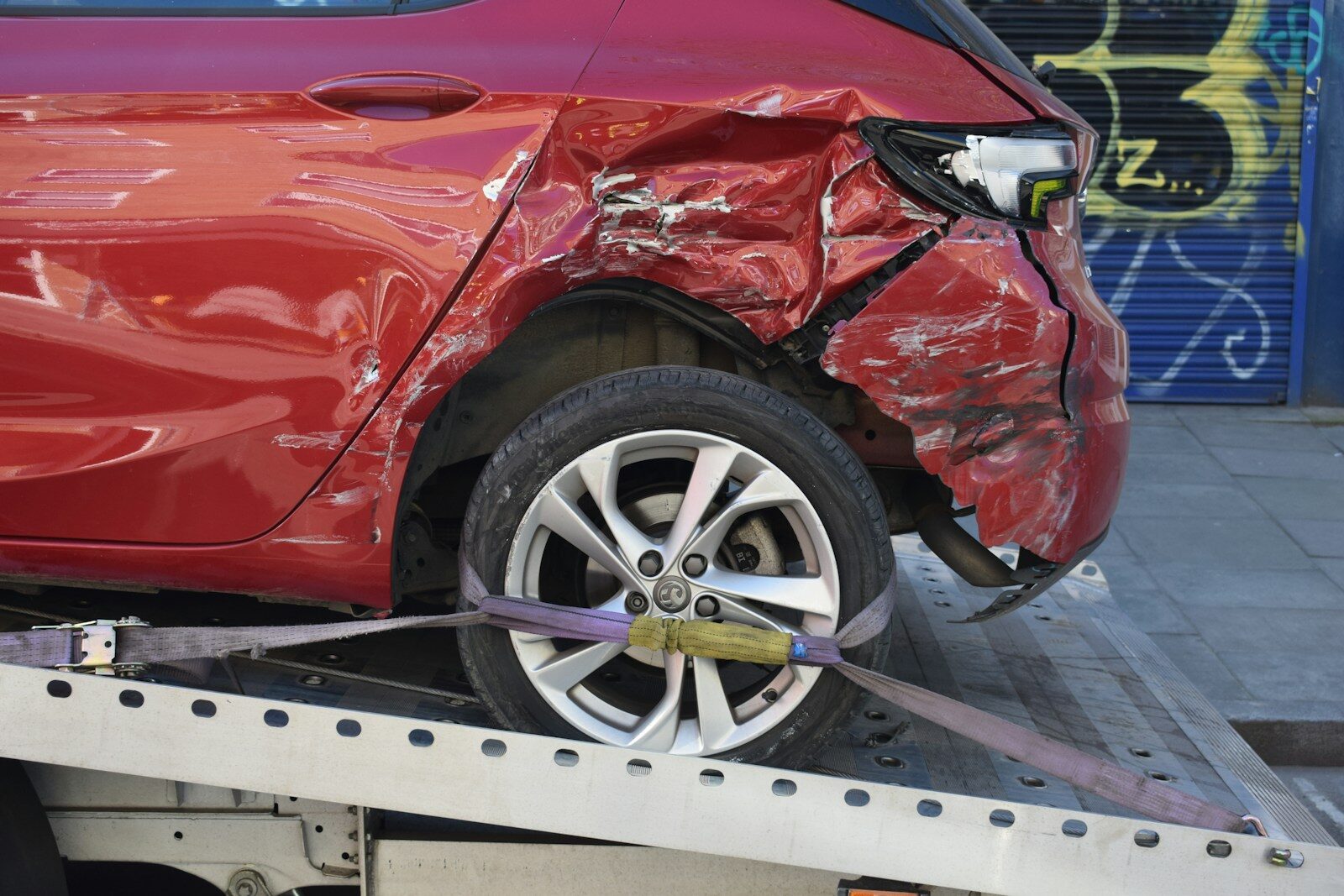
What Full Coverage Really Means in Auto Insurance
When most people say «full coverage,» they generally mean a combination of liability, collision and comprehensive coverage. Here’s what each piece typically covers:
- Liability coverage may help pay for injuries or property damage you cause to others in an accident. Georgia’s minimum liability limits include per-person and per-incident minimums for bodily injury and a per-incident minimum for property damage.
- Collision coverage may help cover damage to your own vehicle after a collision with another car or object, regardless of fault.
- Comprehensive coverage may help cover damage from theft, weather events, falling objects, vandalism or hitting an animal.
Your lender or leasing company may also require full coverage if you’re financing a vehicle.
Common Misconceptions About Full Coverage
One of the biggest misconceptions is that full coverage means everything is covered, no matter what. That’s not the case. Gaps can exist depending on how your policy is structured. For example, uninsured/underinsured motorist (UM/UIM) coverage and roadside assistance may not be included unless you add them.
Another misconception is that full coverage is the same across all insurers. Coverage limits, deductibles and exclusions differ by policy and provider, which is why reviewing your policy with an agent matters.
Ready to Review Your Auto Coverage?
If you’re not sure whether your current policy fits your needs, our team can help. Contact Guardian Insurance today to go over your auto insurance options. We work with drivers in Lilburn, GA.
This blog is intended for informational and educational use only. It is not exhaustive and should not be construed as legal advice. Please contact your insurance professional for further information.
Categories: Auto Insurance, Sin categorizar